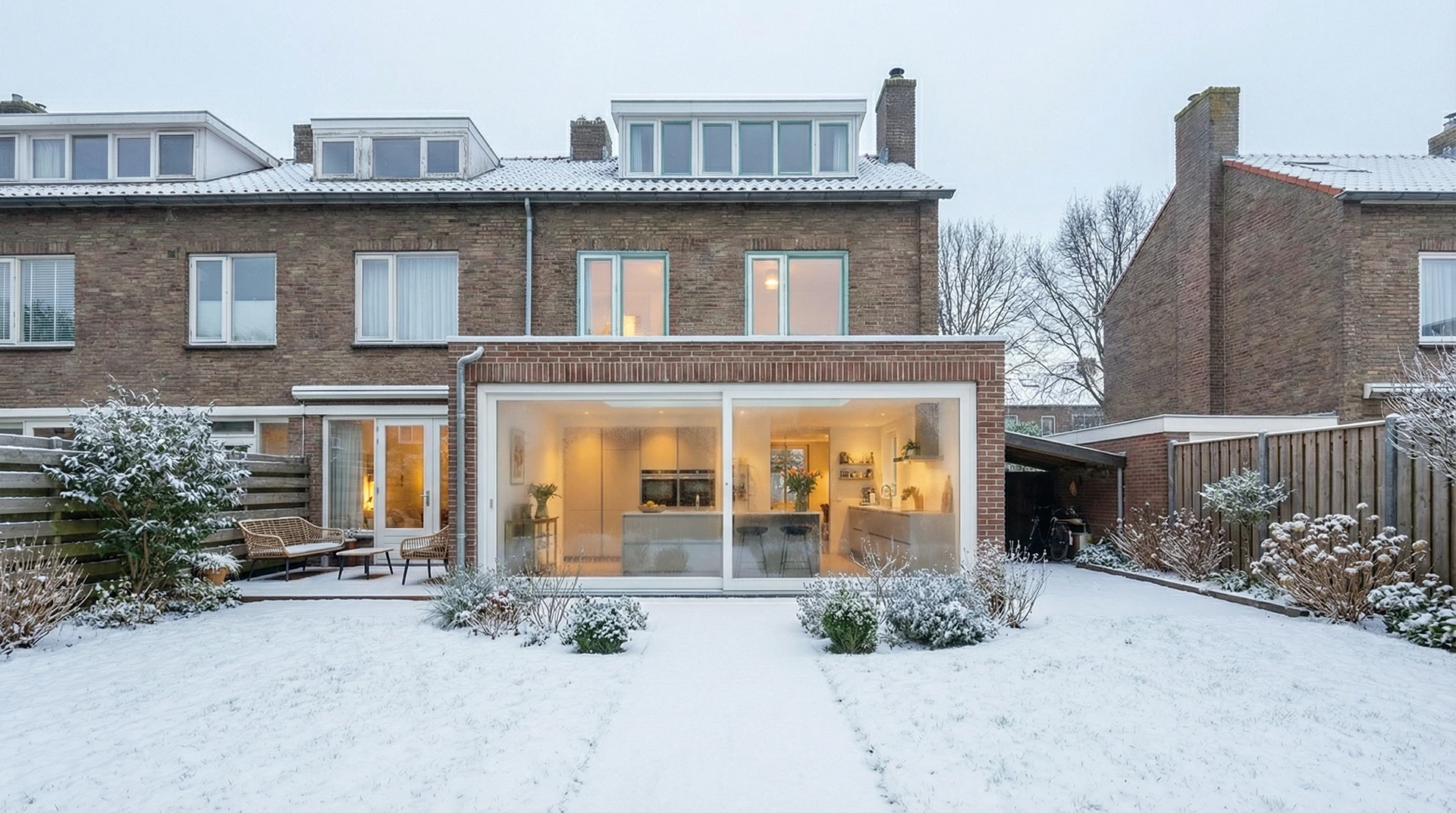


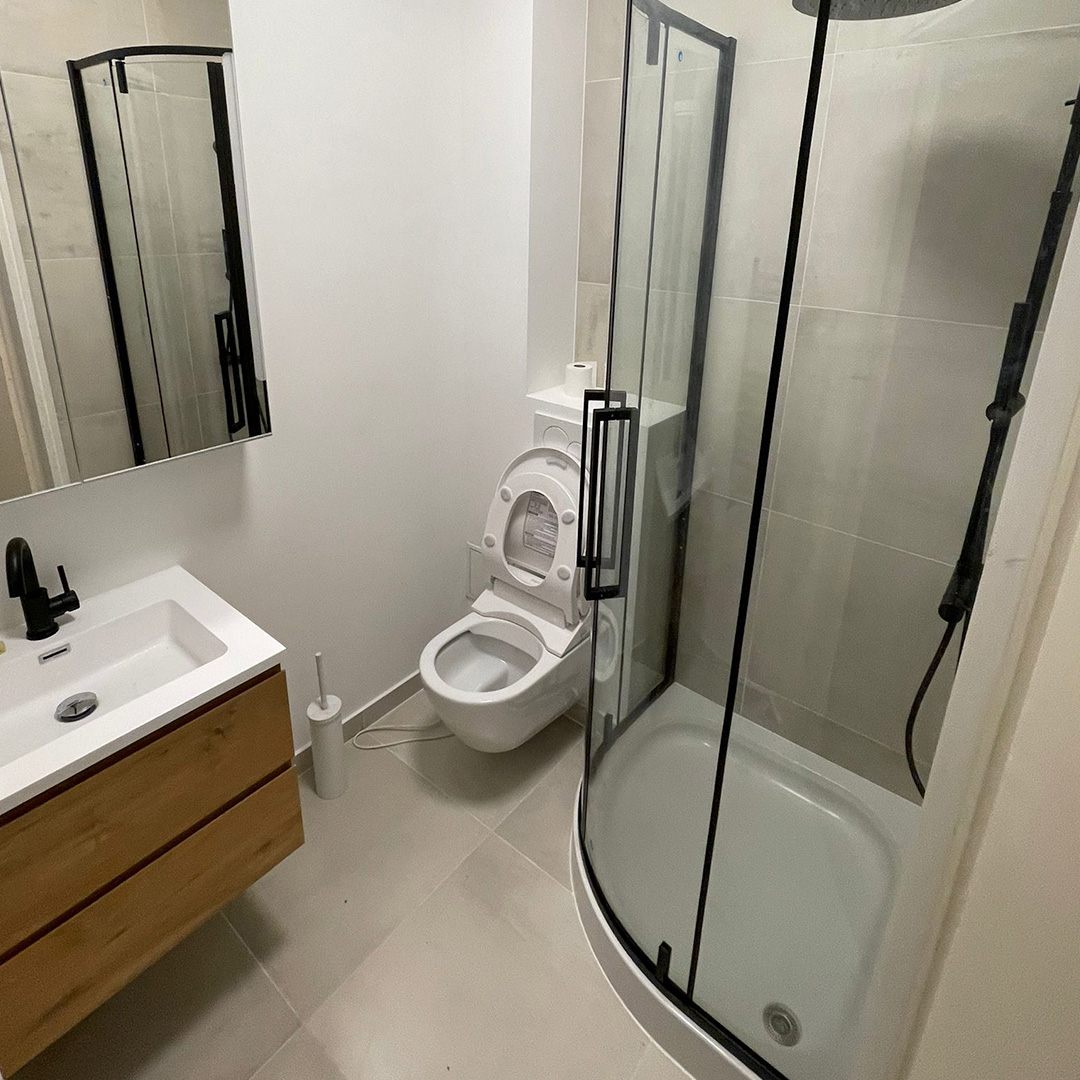
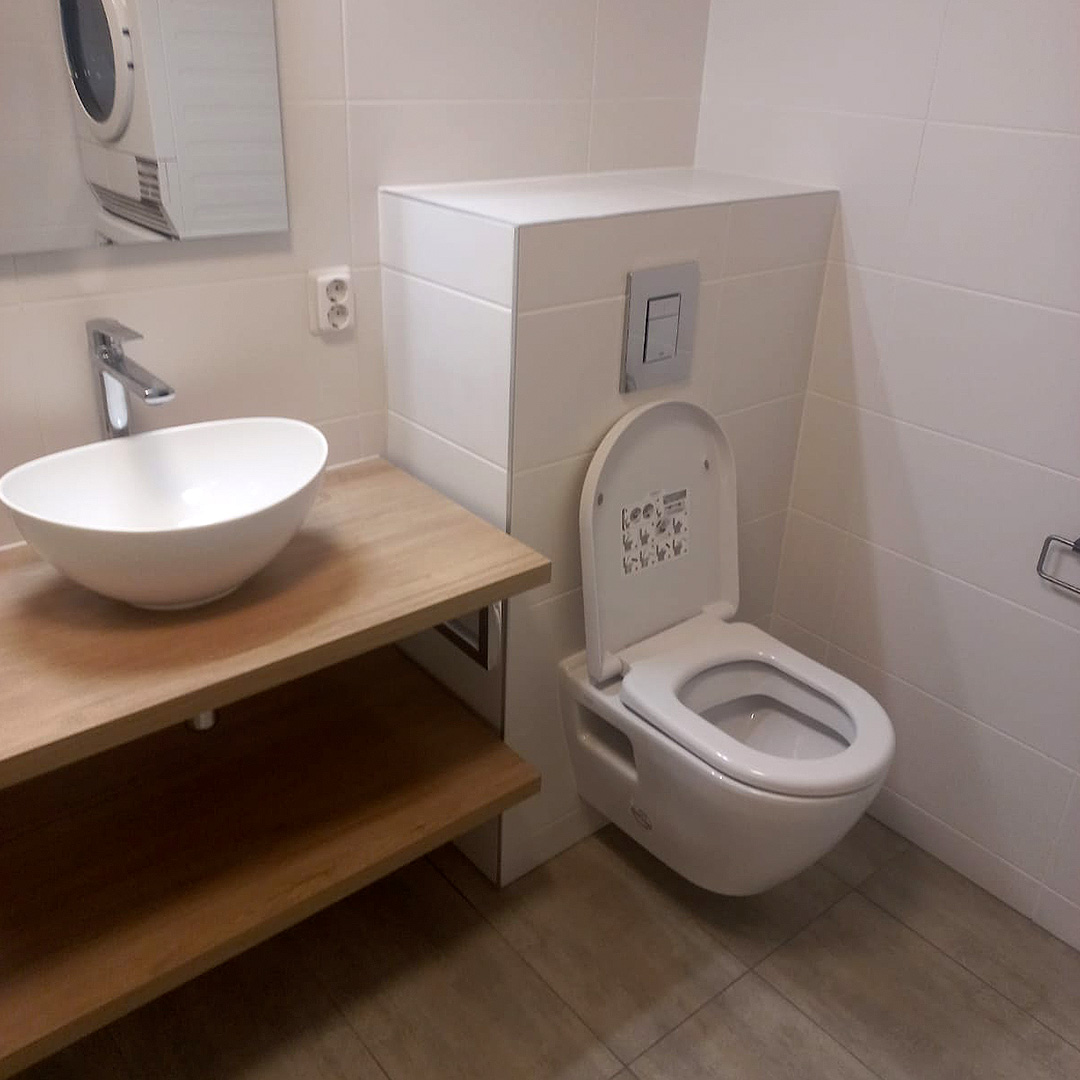
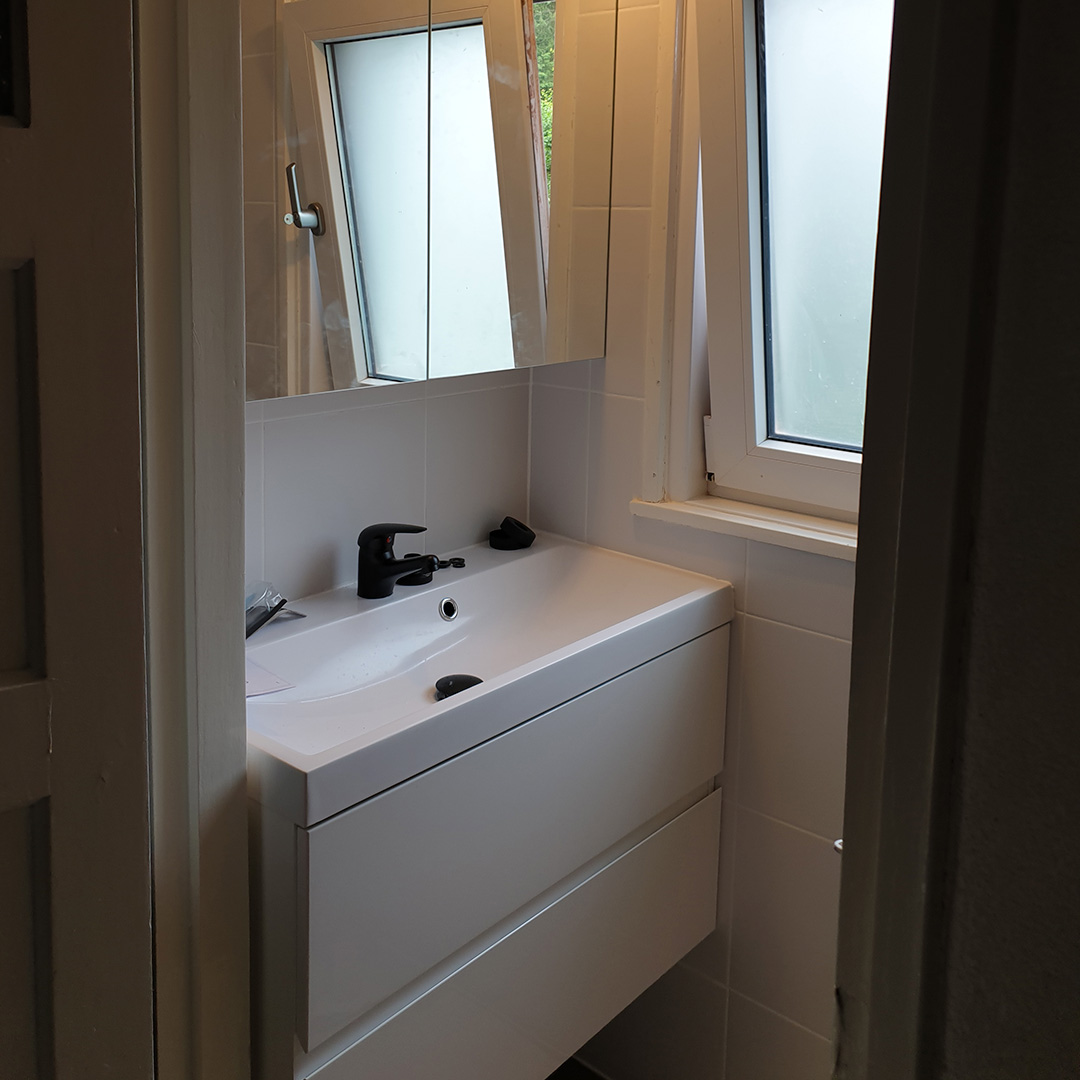
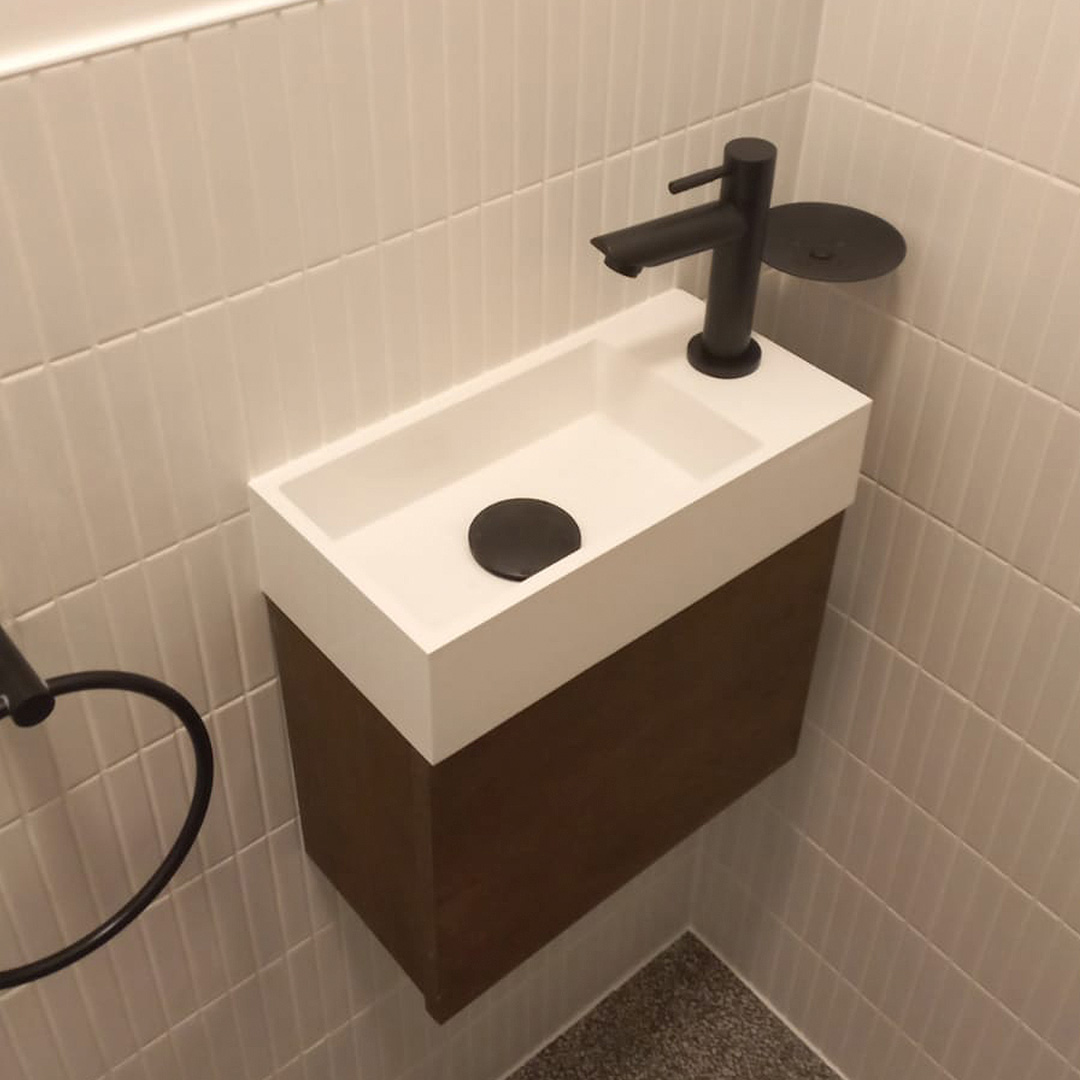
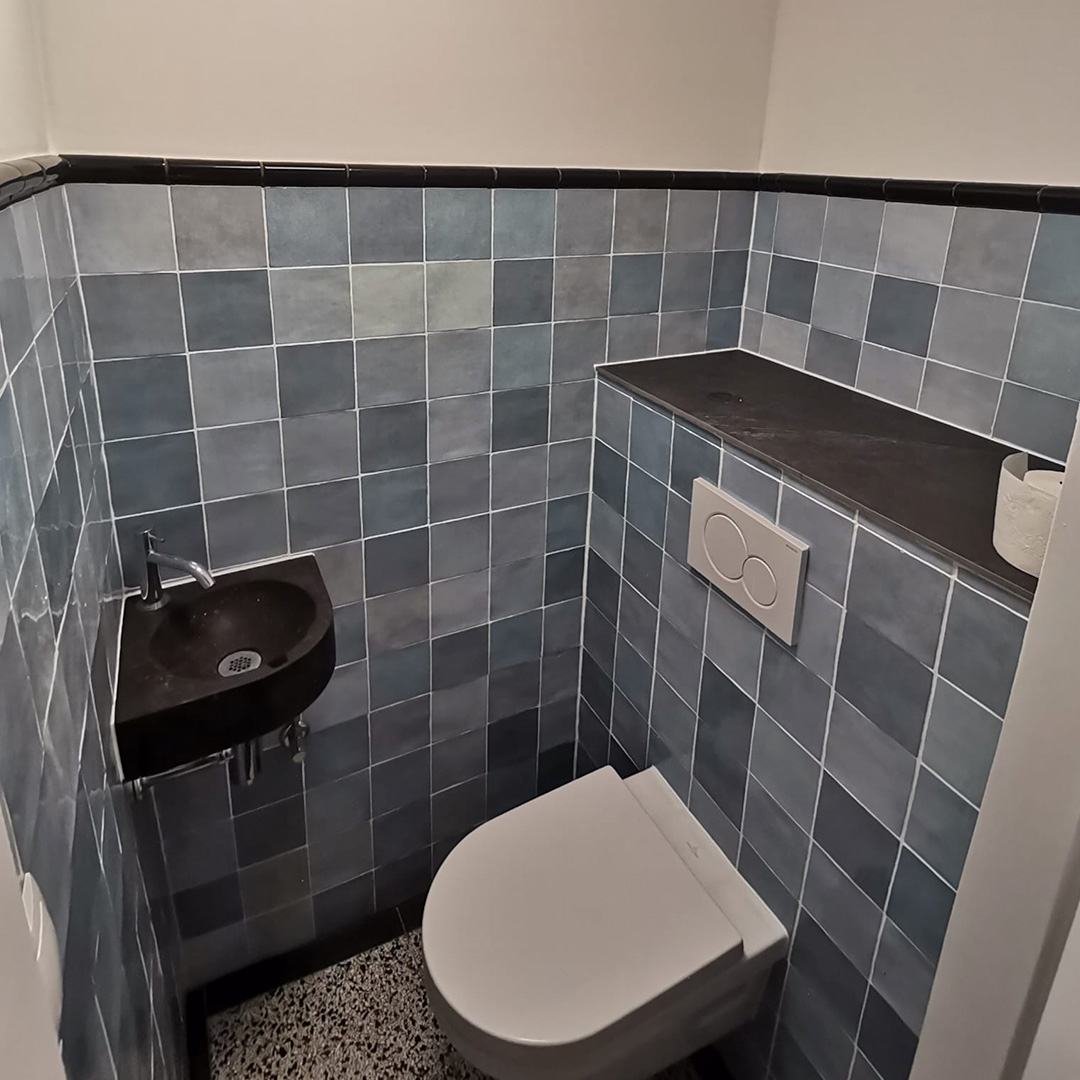
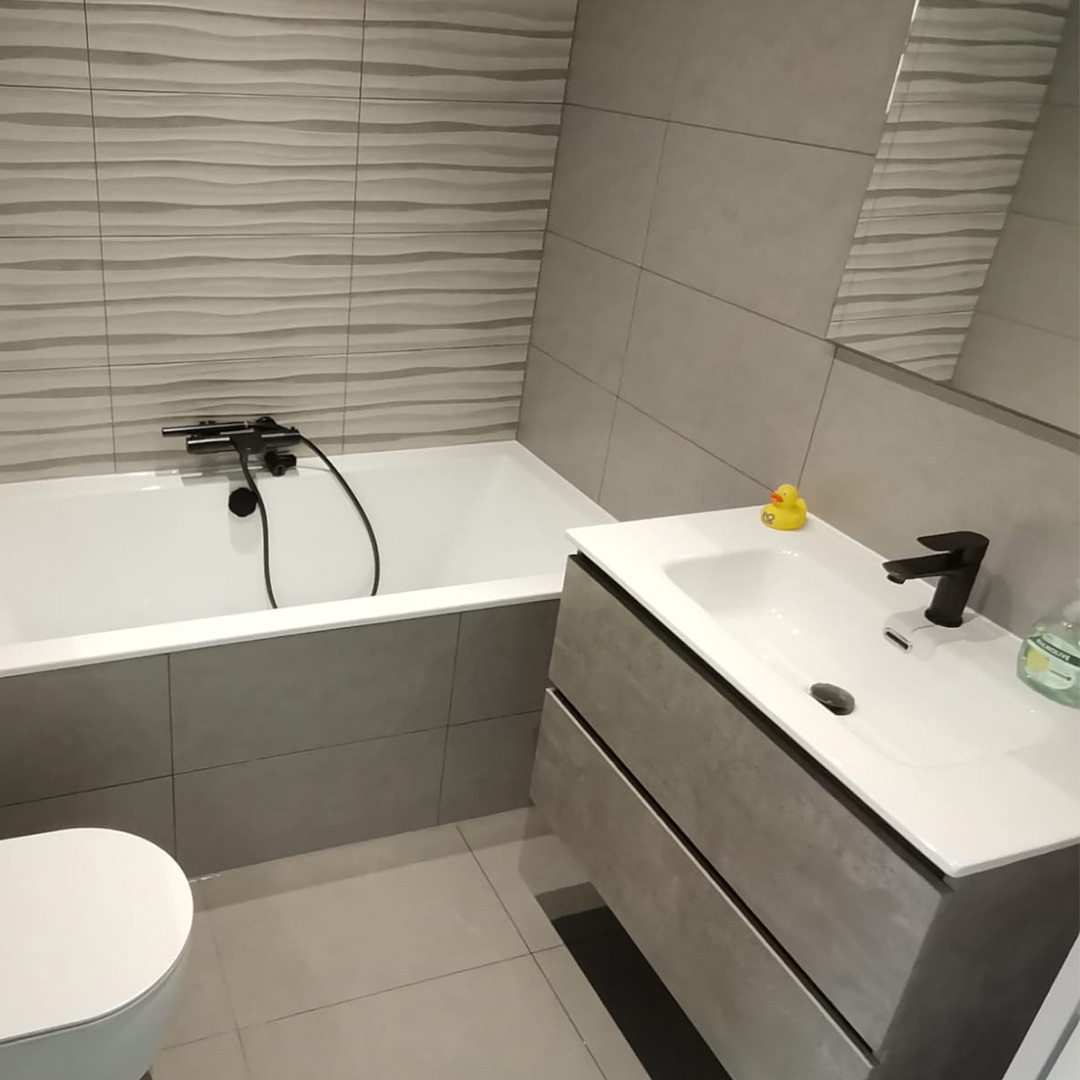

Picture the scene. You’ve finally secured the keys to that charming, slightly run-down 1930s terraced house in Haarlem, or perhaps a spacious shell in the heart of Amsterdam. You have your Pinterest boards meticulously organised, overflowing with herringbone flooring, bespoke cabinetry, and matte black fixtures. You are ready to transform the space. Then, you make the first call to a builder—and reality bites.
“We’d love to help,” the voice on the other end says, “but we are fully booked until next spring.”
If you’ve dipped your toes into the Dutch property market recently, this scenario will sound painfully familiar. The Netherlands is currently experiencing a profound shortage of skilled tradespeople. It’s an issue that goes far beyond a minor inconvenience, fundamentally altering how homeowners must approach property improvements.
But why is this happening, and more importantly, how can you protect your project from spiralling timelines? Let’s break down the reality of the current market and look at how you can successfully navigate it.
The Root of the Problem: Where Have All the Builders Gone?
Before we look at how to mitigate the delays, it helps to understand what is actually causing them. The root bouwvertraging oorzaken (causes of construction delays) are complex, woven into the fabric of changing demographics and shifting national priorities.
Firstly, there is a generational shift. For decades, vocational training in the trades was somewhat sidelined in favour of university degrees and corporate careers. As the current generation of highly skilled master carpenters, plumbers, and electricians reaches retirement age, there simply aren’t enough young apprentices stepping into their steel-toed boots to replace them.
Secondly, the Netherlands is undergoing a massive, nation-wide push towards sustainability – known locally as verduurzaming. The urgent drive to install heat pumps, solar panels, and high-grade insulation across the country has absorbed a vast portion of the available electrical and plumbing workforce. When the government incentivises millions of homes to go green simultaneously, the sheer volume of work creates a massive bottleneck for everyday renovations.
The Domino Effect on Your Home
If you tune into any local news segment discussing the tekort vakmensen bouw gevolgen (the consequences of the construction worker shortage), you’ll hear a familiar refrain: projects are taking longer, and the margin for error in scheduling is practically non-existent.
Here is exactly how this shortage impacts your renovation timeline on a practical level.
1. The Reality of Waiting Times
Let’s talk about wachttijden aannemer Nederland (contractor waiting times in the Netherlands). A few years ago, you could close on a house, call a contractor, and have a crew on-site within a month. Today, the most reputable builders are booking projects six to twelve months in advance. If a contractor tells you they can start tomorrow, it’s often a red flag requiring careful scrutiny. Quality takes time, and right now, just getting onto the schedule of a high-calibre team requires immense patience.
2. The Fragmentation of Trades
A successful renovation is like a tightly choreographed dance. The demolition crew steps out, the electricians and plumbers step in to do the first fix, followed by plasterers, then carpenters, and finally painters. Because skilled specialists are spread so thin, if your plasterer is delayed by a week on another site, your entire schedule can collapse like a house of cards. The “buffer days” that contractors use to absorb these shocks are now stretched to their absolute limits.
3. Material Supply Chain Hiccups
While the acute post-pandemic material shortages have somewhat stabilised, supply chain issues remain intertwined with labor shortages. Factories and logistics companies are also fighting for staff. This means custom materials – like tailored aluminum window frames or specific timber – can take months to arrive. If the materials are delayed, your scheduled tradespeople might have to move on to another job, pushing your project further down the line.
Strategies for Success: Planning Your Renovation Amidst Scarcity
So, how do you successfully execute a home improvement project in this climate? The answer lies in shifting your mindset. Spontaneity is out; meticulous preparation is in. When faced with the complexities of verbouwing plannen krapte (planning a renovation during a shortage), proactive strategy is your best defence.
Lock in Your Team Before You Finalise Your Design
Traditionally, homeowners finalise their architectural drawings and then shop around for builders. Today, that approach is a recipe for a stalled project. Bring your contractor on board as early as possible – even while you are still finalising the purchase of the property. Engaging them during the conceptual phase means you secure your spot in their calendar while you sort out permits and finalise designs.
Over-Communicate and Finalise Decisions Early
Change orders are the enemy of efficiency. In a market with abundant labor, asking your builder to move a doorway a few feet to the left mid-project is an annoyance, but manageable. Today, that small change might require re-booking a structural engineer or an electrician who isn’t available for another three weeks.
Make all your major decisions, from the layout down to the exact model of your bathroom tiles, before a single hammer is swung. Have materials ordered and, ideally, sitting in storage ready to go.
Secure Your Permits Well in Advance
The Dutch municipal authorities (gemeentes) are facing their own staffing shortages. Getting an omgevingsvergunning (planning permit) for an extension, a roof terrace, or structural changes can easily take eight to twelve weeks – and that’s if your application is flawless. Factor this administrative waiting period into your overarching timeline to ensure your builders aren’t left waiting on a bureaucratic stamp of approval.
Finding the Right Partner
In a pressured market, the difference between a nightmare renovation and a seamless transformation almost entirely comes down to the people managing the site. Your ultimate goal is betrouwbare aannemer vinden – finding a reliable contractor who will be honest about what is achievable.
You don’t just need someone who can lay bricks; you need a project manager who has deep, long-standing relationships with sub-contractors. A well-established builder will have a loyal network of plumbers and electricians who will prioritise their jobs over a one-off call from a stranger.
That is precisely why partnering with established, transparent professionals is non-negotiable. Whether you are planning a modern kitchen update or a full-scale structural overhaul, working with a highly professional team like Luckey Construction provides something increasingly rare in today’s market: clarity.
The Bottom Line
The shortage of construction professionals in the Netherlands is a structural reality that isn’t going to vanish overnight. It requires homeowners to adjust their expectations, extend their timelines, and plan with military precision.
However, it shouldn’t deter you from creating the home you want. By understanding the forces at play, booking your professionals early, and locking down your material choices, you can bypass the stress that traps so many renovators. It simply requires replacing the rush with a calculated, steady approach.