

A Growing Choice for Families
Grandparents helping with the school run in the morning, adult children pitching in on the mortgage, shared evenings around the dinner table – scenes like these are playing out in more Dutch households than ever.
Rising house prices, a persistent shortage of affordable homes, and an ageing population are pushing families to rethink how they live together. Rather than everyone scattering to separate places, many are adapting existing properties or building additions to keep generations connected while preserving everyone’s space and independence.
The Forces Behind the Shift
The drivers are straightforward, and they’re intensifying.
Young adults face steep barriers to buying or renting on their own – starter homes are scarce, and prices haven’t eased much despite recent market dips. Many end up staying with parents longer or returning after university or a stint abroad.
On the other side, older people are living longer and healthier lives, but formal care options remain expensive and limited. Families often step in with day-to-day support, making it practical to have everyone closer.
Government policies nudge this along too. The mantelzorgwoning scheme allows a secondary unit in the garden for someone needing care, often permit-free if criteria are met. Financially, combining incomes helps cover costs, from energy bills to renovations.
It’s not purely necessity, though. Plenty of families cite the emotional perks: built-in childcare, companionship, passing on traditions, or simply enjoying each other’s company more.
Adapting Homes for Multiple Generations
Dutch architects and builders have risen to the challenge with solutions that prioritise flexibility and privacy.
A common option is the kangoeroewoning – essentially dividing a house into two independent units, each with its own front door, kitchen, and facilities, but connected internally or through shared outdoor areas.
For properties with gardens, a separate mantelzorg unit works well: a compact, self-contained home that’s quick to install and easy to remove later if needs change.
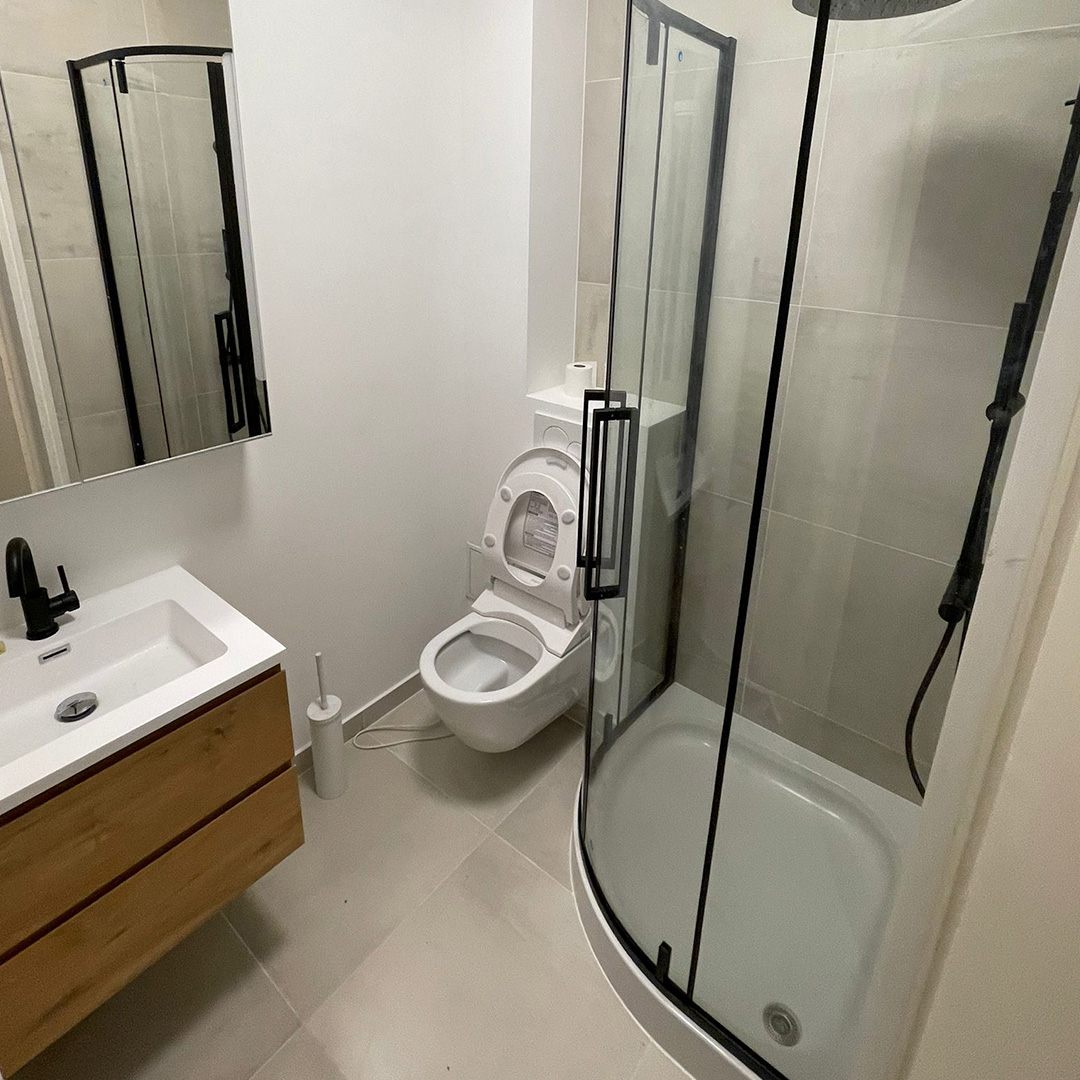
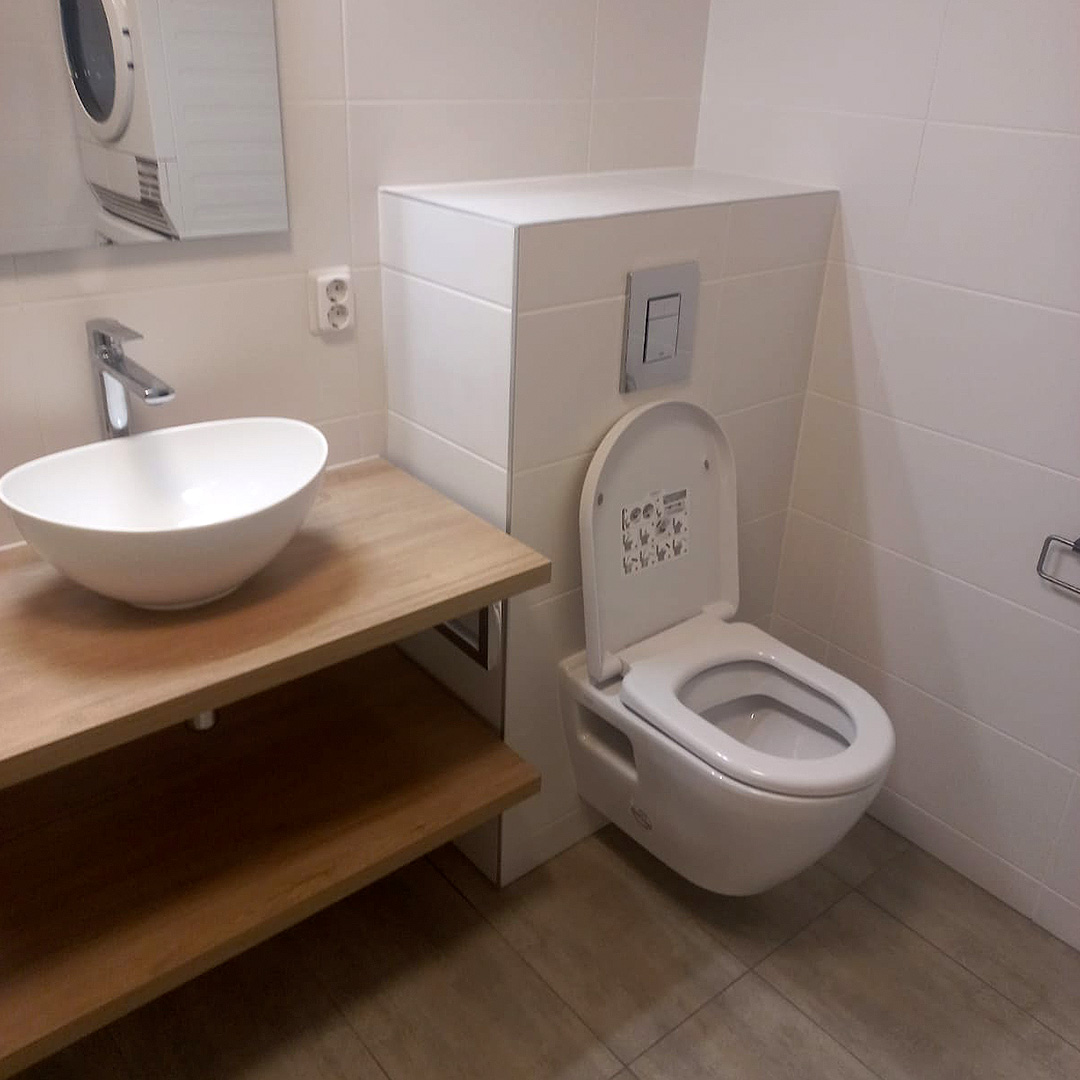
Newer designs go further. Some feature ground-floor bedrooms with accessible bathrooms for ageing relatives, upstairs suites for younger ones, and communal zones in between. Soundproofing, multiple entrances, and mini-kitchens prevent everyday frictions over noise or routines.
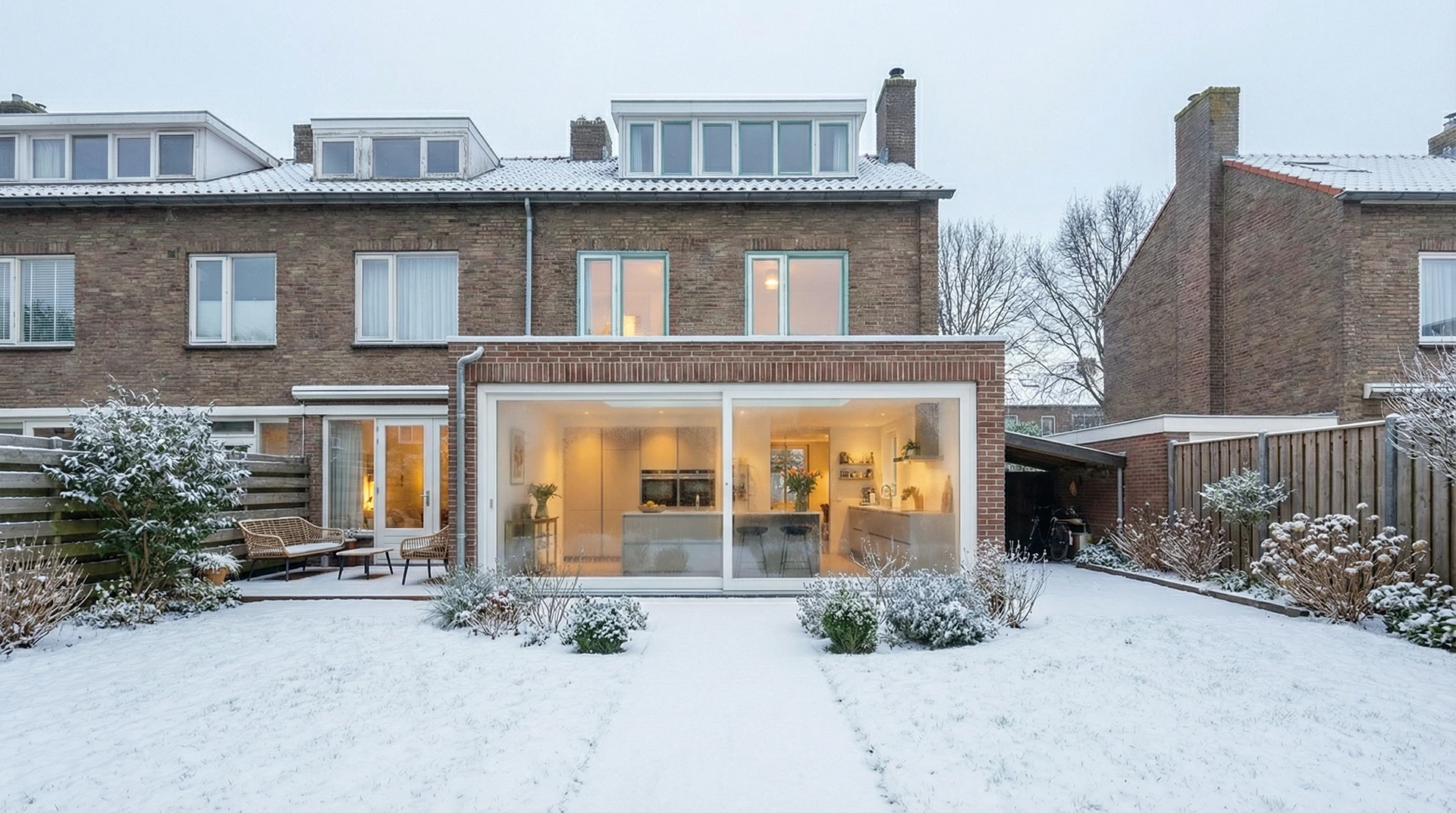
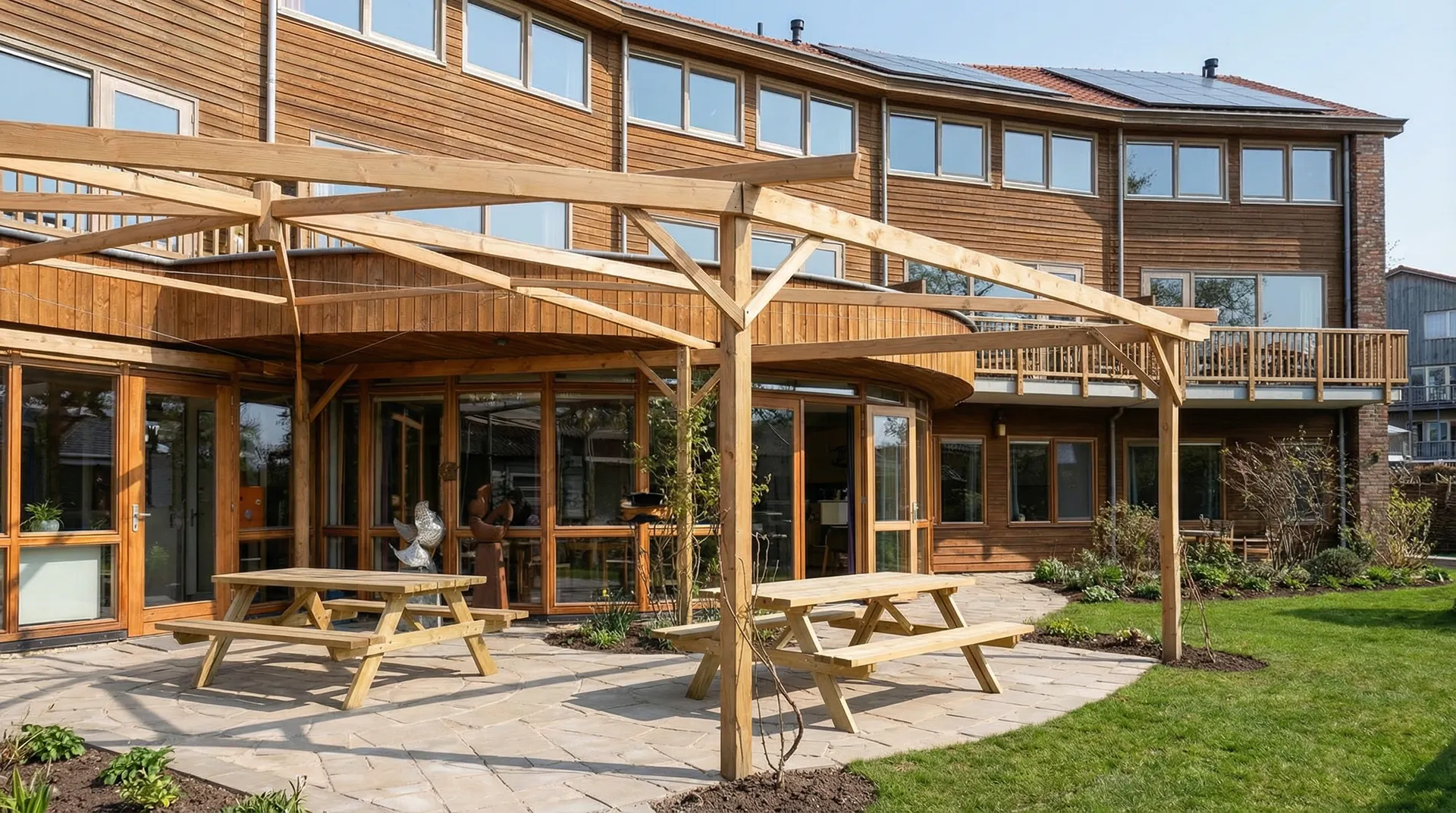
Extensions are popular too – side annexes, attic conversions, or basement apartments that expand without dominating the original house. In denser urban areas like Rotterdam or The Hague, these tweaks make tight terraces or apartments viable for larger households.
Sustainability fits naturally here. Shared systems like heat pumps, solar panels, or better insulation cut costs and align with national energy targets, often qualifying for subsidies.
Balancing the Benefits and Challenges
The upsides are clear. Closer family ties, practical support networks, lower individual expenses, and reduced loneliness – especially valuable as social isolation affects people of all ages.
Yet it demands compromise. Personal space, differing schedules, and decision-making can spark tensions if not addressed upfront. Clear ground rules on everything from visitors to chores help, as does designing in retreat options – a private sitting room or garden corner goes a long way.
Many find the rewards outweigh the adjustments, creating homes that evolve with family needs over years.
Practical Steps If You’re Considering It
Start by checking feasibility on the Omgevingsloket portal – it flags permit requirements quickly. For care-related additions, gather evidence of need to unlock simpler approvals.
Think long-term in the design: accessibility features like wide doors or no thresholds benefit everyone eventually. Budget realistically for quality materials that handle daily wear. Experienced professionals make the difference, handling everything from structural checks in older buildings to meeting current building standards.
A Trend Set to Continue
With demographic shifts showing no sign of slowing – households led by over-75s expected to grow significantly in the coming years – multigenerational setups look like a lasting part of the Dutch housing landscape. They offer a blend of practicality and connection, turning potential strains into strengths for families navigating modern life.