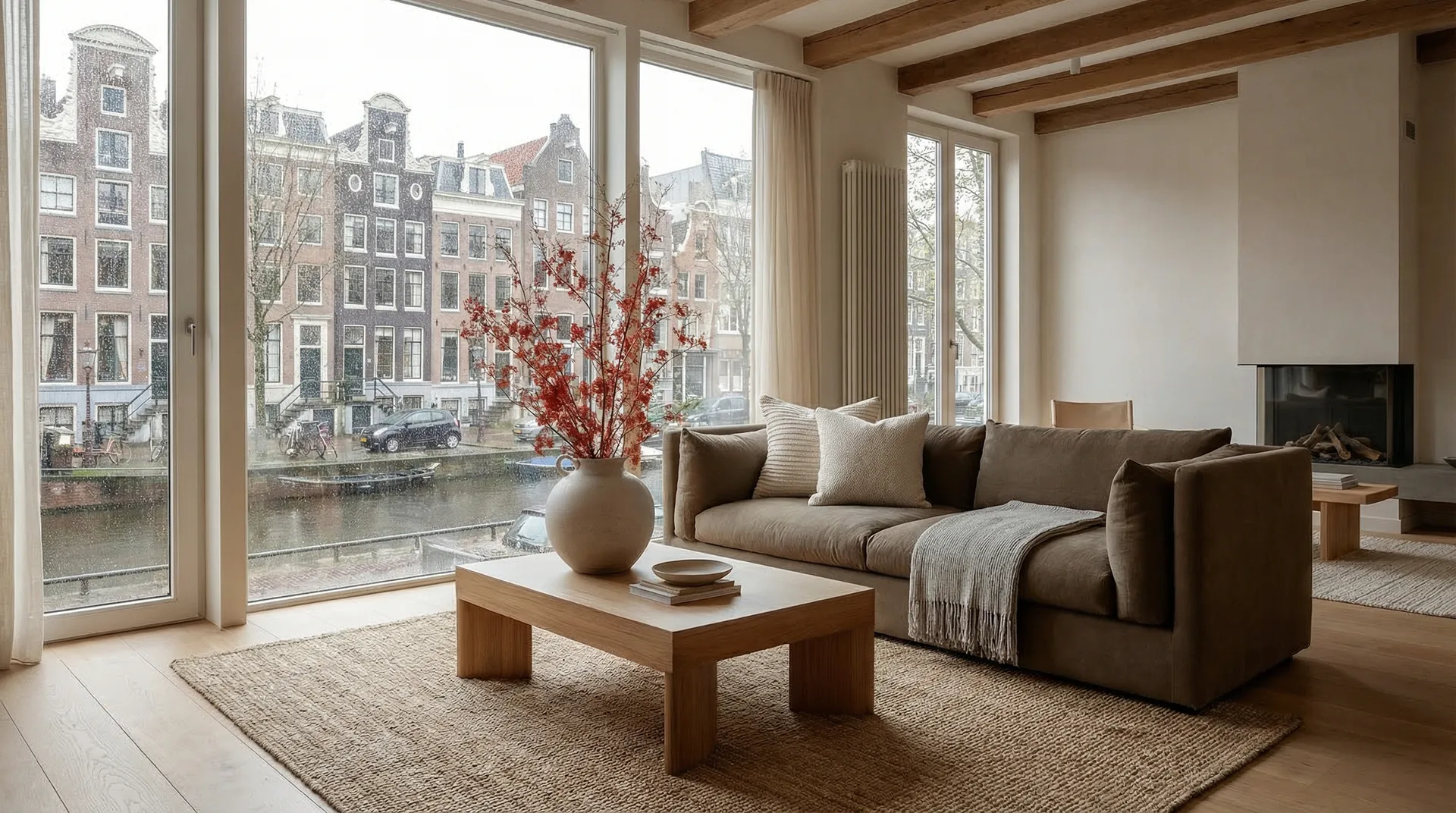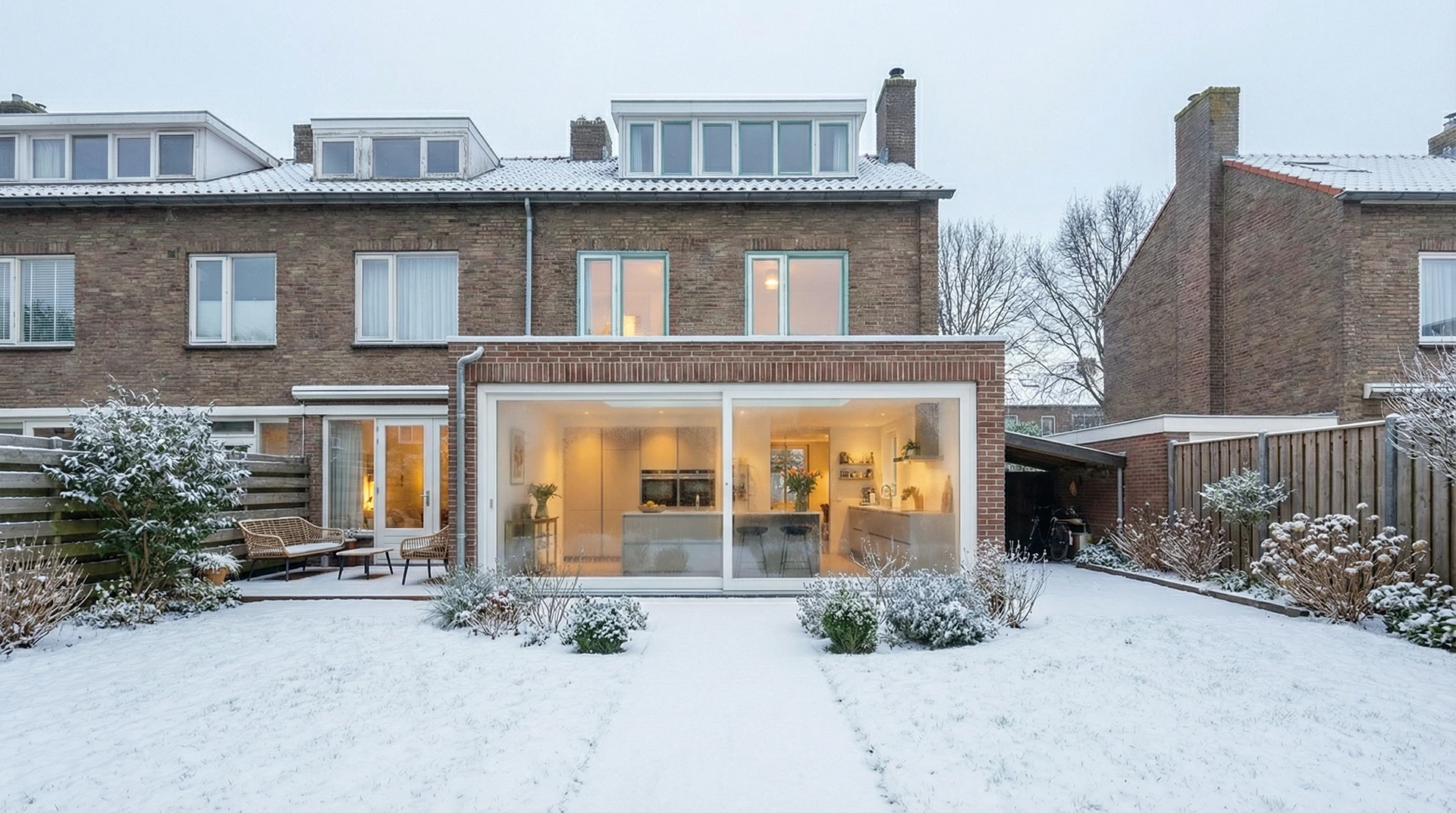



The Netherlands has long been a safe harbor for European capital, valued for its stability and prime location. But in 2025, the tide is rising. Foreign investment in Dutch real estate is no longer just a background statistic; it is a dominant force reshaping the market. This influx of global capital is altering price tags, influencing urban planning, and dictating the very standards of Dutch construction.
Why Global Investors Are Betting on the Netherlands
Why are international eyes locked on Dutch soil? It comes down to a blend of stability and opportunity. Despite global economic shifts, the Netherlands offers robust infrastructure and a reliable legal system that appeals to risk-averse capital.
Recent market data highlights a surge in cross-border activity. Industry reports estimate that nearly 35% of investment volume in the third quarter of 2025 originated from foreign entities. While new tax regulations and fund classifications have forced some investors to restructure, the appetite for Dutch assets remains voracious. Sophisticated investors view the market not just as a place to park cash, but as a strategic entry point into Europe’s logistics and housing sectors.
Beyond the Canal House: What Investors Are Buying
The profile of foreign investment in Dutch real estate is evolving. While the picturesque canal houses of Amsterdam still attract high-net-worth individuals, institutional money is moving elsewhere.
-
The Residential Shift: Investors are targeting large-scale residential developments in major hubs like Utrecht and Rotterdam. They are looking for secure rental income in tight markets rather than quick flips.
-
The Rise of Alternatives: There is a massive pivot toward “alternative” assets. Data centers, logistics hubs, and purpose-built student housing are attracting significant capital. The Netherlands’ export-driven economy makes these sectors incredibly resilient.
-
Commercial Caution: In the commercial sector, investors are more selective. Many institutions see 2025 as a post-correction entry point, snapping up undervalued assets with high growth potential.
How Global Money Changes Local Construction
The influence of foreign capital extends beyond the boardroom; it is visible on the construction site. International investors often demand different standards than domestic buyers, forcing Dutch developers and contractors to elevate their game.
Scale and Speed
Foreign funds often seek scale. This preference drives a trend toward larger, more complex projects and portfolio deals. Consequently, we are seeing more “forward-funding” arrangements, where capital is committed early in the development phase. This puts immense pressure on construction firms to deliver on time and within strict budgets.
Sustainability as a Standard
Perhaps the biggest impact is on sustainability. Global investors are often bound by strict ESG (Environmental, Social, and Governance) mandates. They demand assets that meet the highest international green standards. For Dutch builders, this means that energy efficiency, smart building systems, and resilient materials are no longer optional add-ons – they are prerequisites for securing funding.
Navigating Headwinds and Regulations
However, this flow of capital faces significant hurdles. The regulatory landscape in 2025 is complex. Changes in housing regulations and transfer taxes have introduced friction, requiring foreign investors to navigate a steeper learning curve.
Furthermore, physical constraints remain a challenge. A chronic shortage of development-ready land and delays in permitting can stall the scaling of projects. In cities like Amsterdam, this pressure interacts with local concerns about affordability, creating a delicate balancing act for policymakers.
The New Reality for Dutch Real Estate
For homeowners, developers, and contractors, the message is clear: the market is global. Foreign investment in Dutch real estate provides the liquidity needed to keep projects moving, but it also raises the bar for quality and execution.
Navigating this landscape requires agility. Developers must bridge the gap between local regulations and international expectations, while construction firms must innovate to meet the demand for sustainable, high-tech assets. The Dutch property market is changing, and global capital is holding the pen.