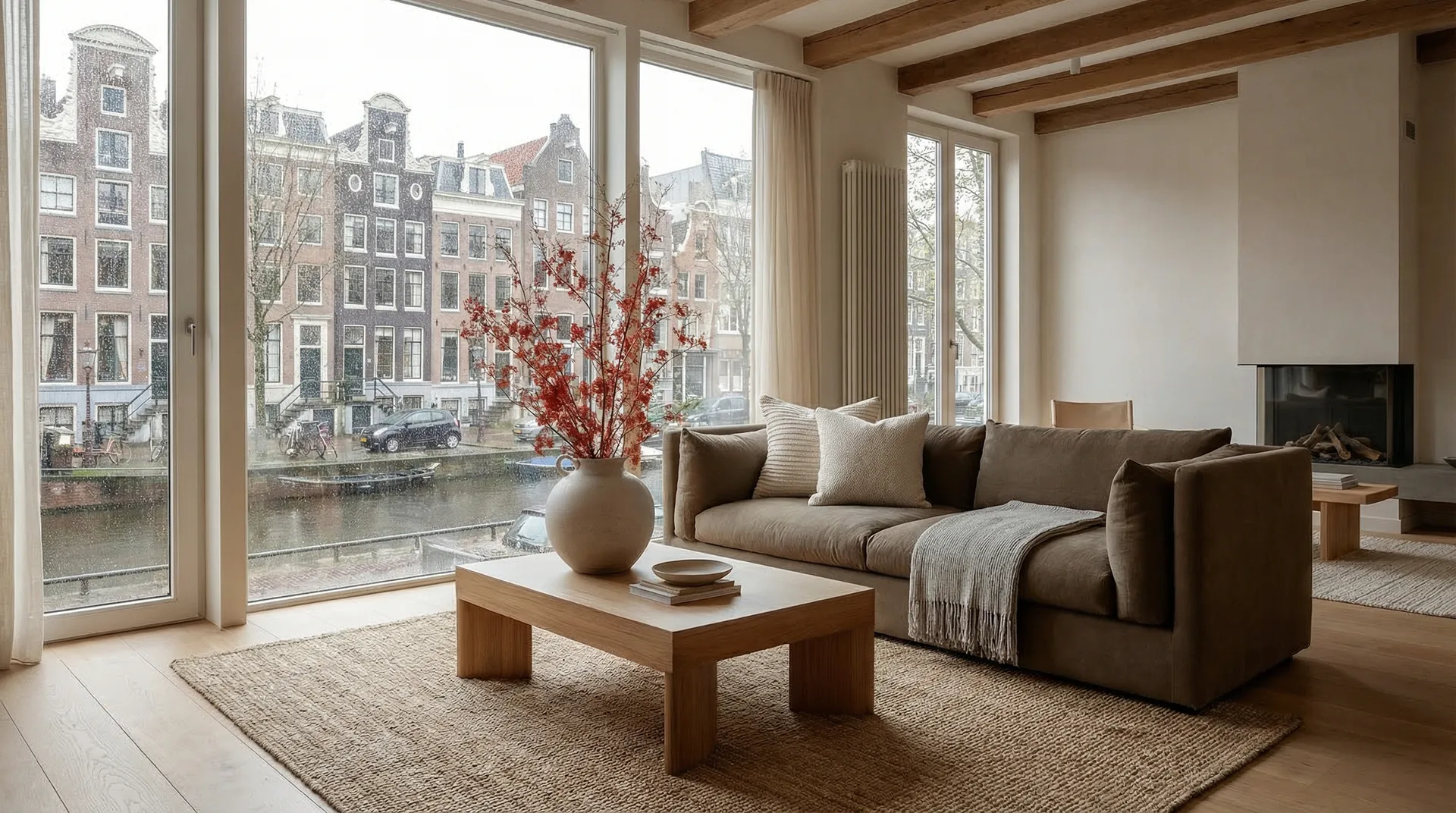


Walk past the tall windows of houses along an Amsterdam canal or peek into a suburban terrace in Utrecht, and you’ll spot a quiet evolution inside. For years, Dutch homes have leaned towards restraint – pale woods, white walls, a few well-chosen pieces that let light flood in and make small rooms feel bigger. It’s a style rooted in practicality, born from compact living and a cultural love of calm order.
But something is stirring. More people are layering on colour, pattern, and personal treasures, pushing back against bare surfaces with interiors that feel fuller, warmer, and distinctly their own. It’s the pull between minimalism and maximalism playing out in real homes across the Netherlands.
The Enduring Appeal of Dutch Minimalism
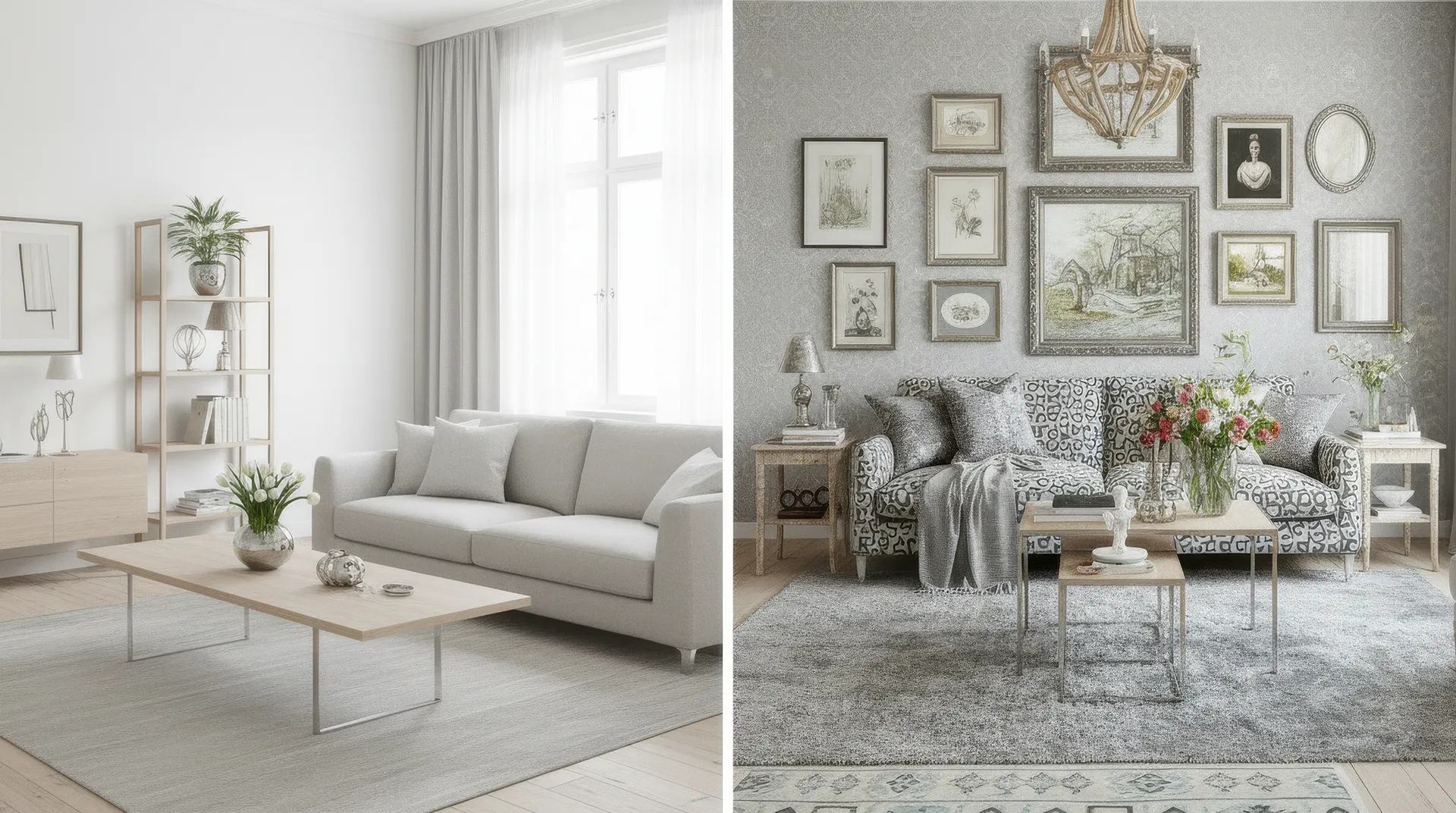
Minimalism has long suited the Dutch way of life. With many homes on the smaller side – think narrow canal houses or post-war apartments – keeping things simple maximises space and light. Clean lines, functional furniture, and neutral tones create that signature airy feel.
This isn’t cold Scandi-style emptiness. Traditional Dutch interiors often add subtle warmth: a vintage rug, potted plants, or quirky ceramics that nod to the country’s design heritage of innovation and humour. Think of icons like Gerrit Rietveld’s bold yet pared-back chairs, or the playful practicality of Droog designs.
Even today, many stick to this formula. Open-plan layouts with continuous flooring, built-in storage to hide clutter, and big windows remain popular, especially in renovations aimed at energy efficiency and flow.
The Rise of Maximalism
Lately, though, a bolder approach is gaining ground. After years of pared-back neutrals, people crave expression – richer colours, mixed patterns, walls covered in art or bookshelves groaning with collections.
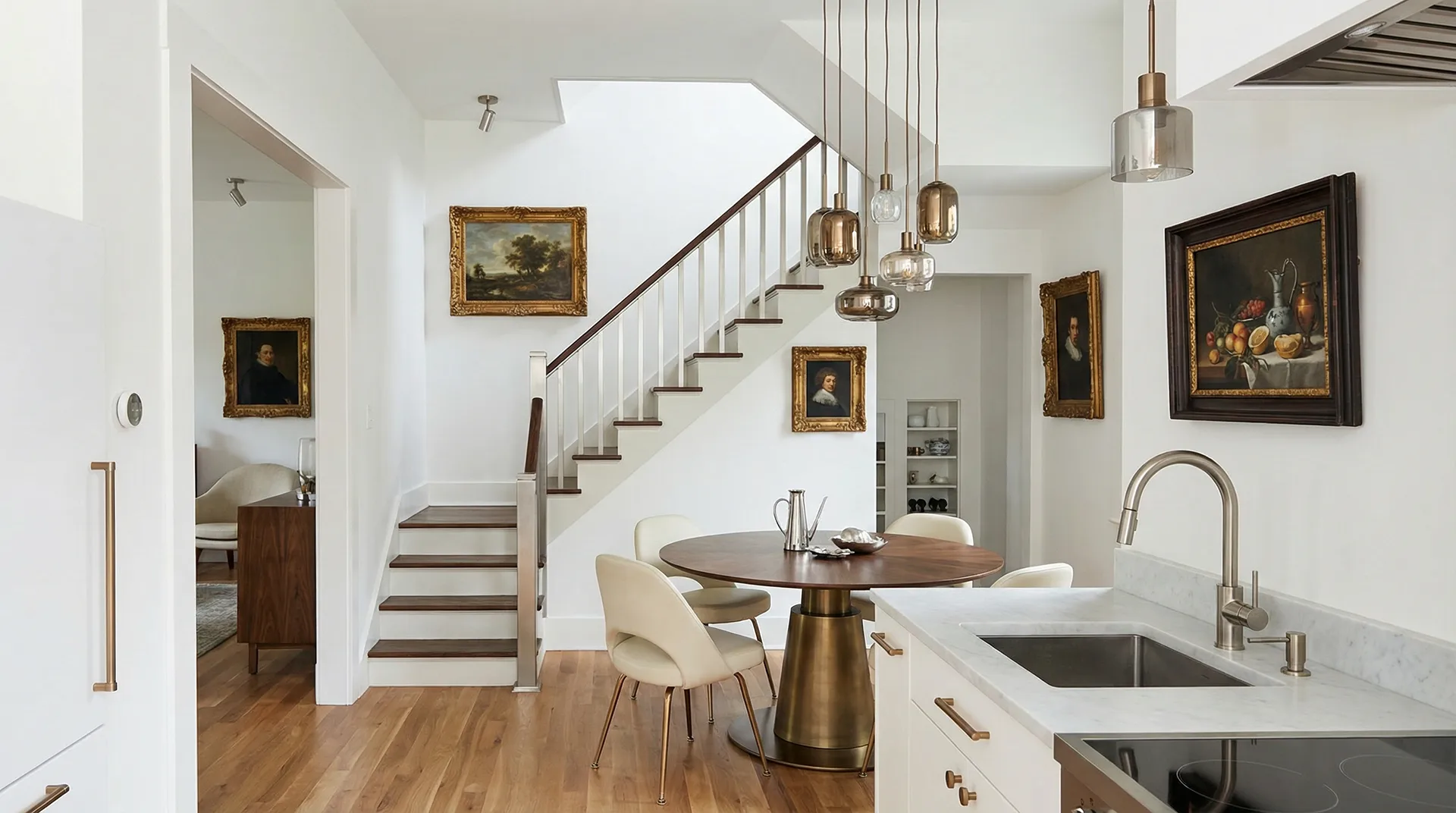
This maximalism isn’t about chaos. In the Netherlands, it’s often curated: thoughtful layers that tell a story without overwhelming tight spaces. Designers talk of “mini-maximalism” – starting with a muted base and adding luxurious textures, vintage finds, or statement pieces.
Warmer tones dominate forecasts for 2026: deep greens, earthy reds, aged metals, and textured stones. Wallpapers with subtle patterns, galleries of framed prints, or eclectic mixes of old and new furniture bring personality. It’s a reaction to sleek, impersonal interiors, offering comfort in uncertain times.
Psychological angles come into play too. Studies suggest expressive homes can boost wellbeing, providing a sense of abundance and creativity amid daily stresses.
Blending the Two: The Dutch Compromise
Pure extremes are rare here. Most homes land somewhere in between – what some call “soft maximalism” or “lived-in” style.
A minimalist shell might gain maximalist flair through colourful textiles, layered lighting, or shelves displaying travel souvenirs and family heirlooms. Or a bolder base gets tempered with open space and multifunctional pieces to keep things practical.
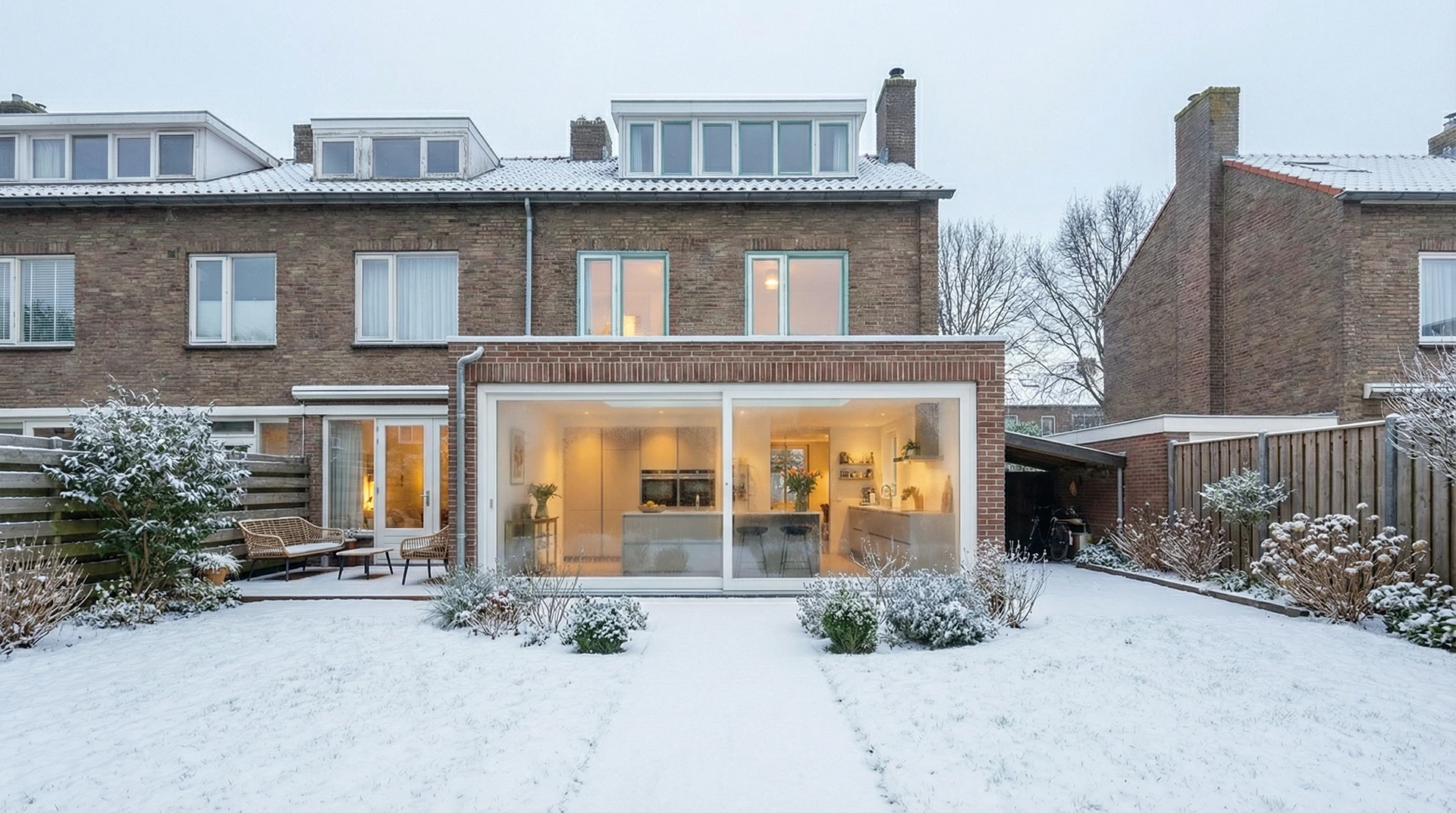
In compact Dutch properties, smart space planning is key. Built-in cabinetry hides essentials, freeing surfaces for decorative touches. Extensions or loft conversions create room for grander gestures, like a feature wall or oversized sofa piled with cushions.
Sustainability weaves through both styles. Reusing vintage items fits maximalist eclecticism, while minimalists opt for durable, natural materials. Shared goals like better insulation or solar integration often drive renovations that enable either look.
How Renovations Make It Possible
Updating a home for these trends often means structural changes. Knocking through walls for open living suits minimalist flow or maximalist gathering spots. Adding bespoke storage keeps clutter at bay in bolder schemes.
In older buildings, preserving character – exposed beams, original tiles – provides a neutral backdrop for layering. New builds increasingly incorporate flexible layouts, with zones that adapt to personal style.
What It Says About Us
This tug between less and more reflects broader shifts. Minimalism offered calm in busy lives; maximalism brings joy and individuality as people spend more time at home post-pandemic.
In the Netherlands, where design has always mixed pragmatism with playfulness, the blend feels natural. Homes become personal sanctuaries – not showrooms, but spaces that evolve with their owners.
Whether you lean towards serene simplicity or vibrant abundance, the choice is yours. Many are finding happiness in a bit of both.