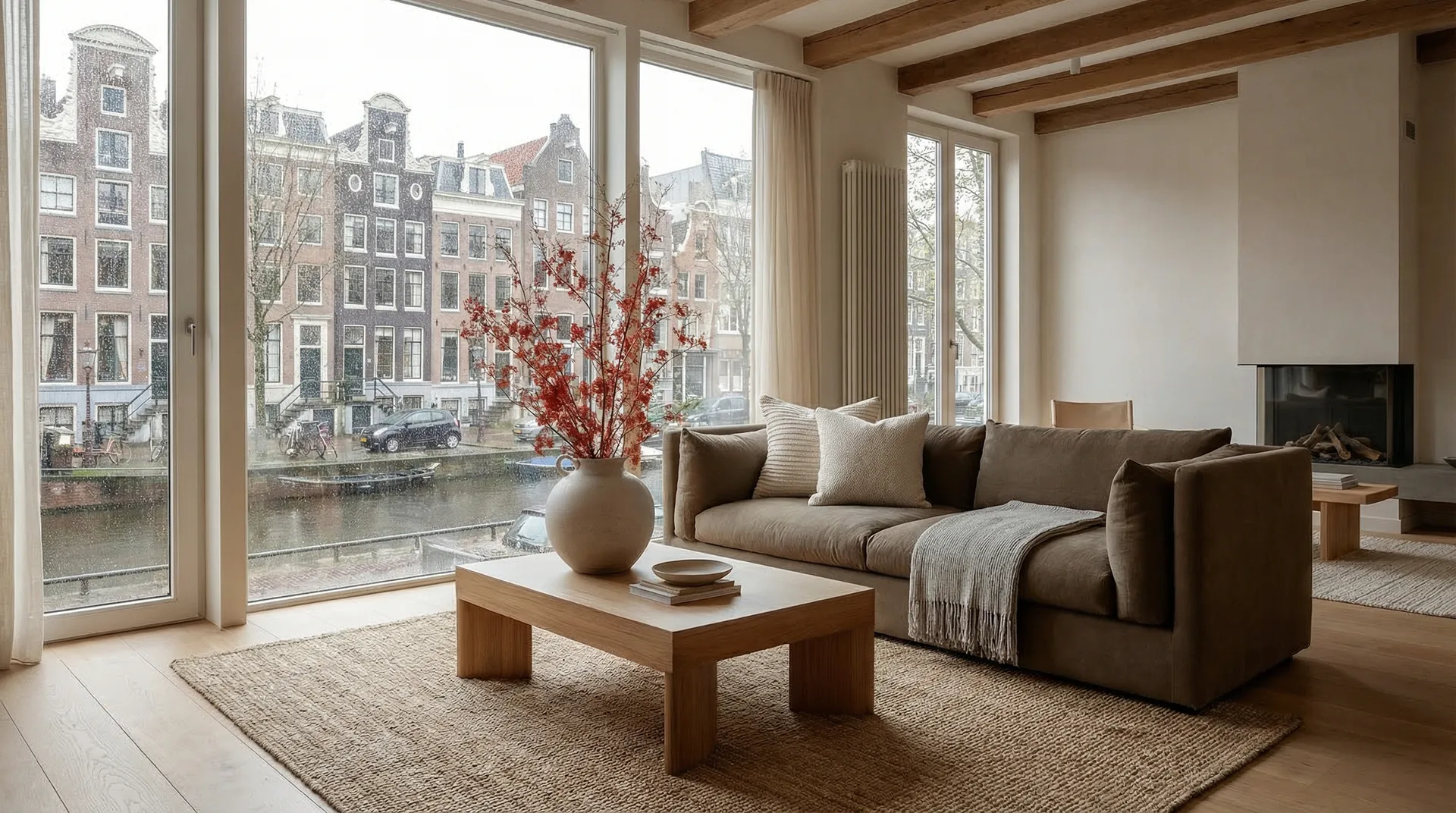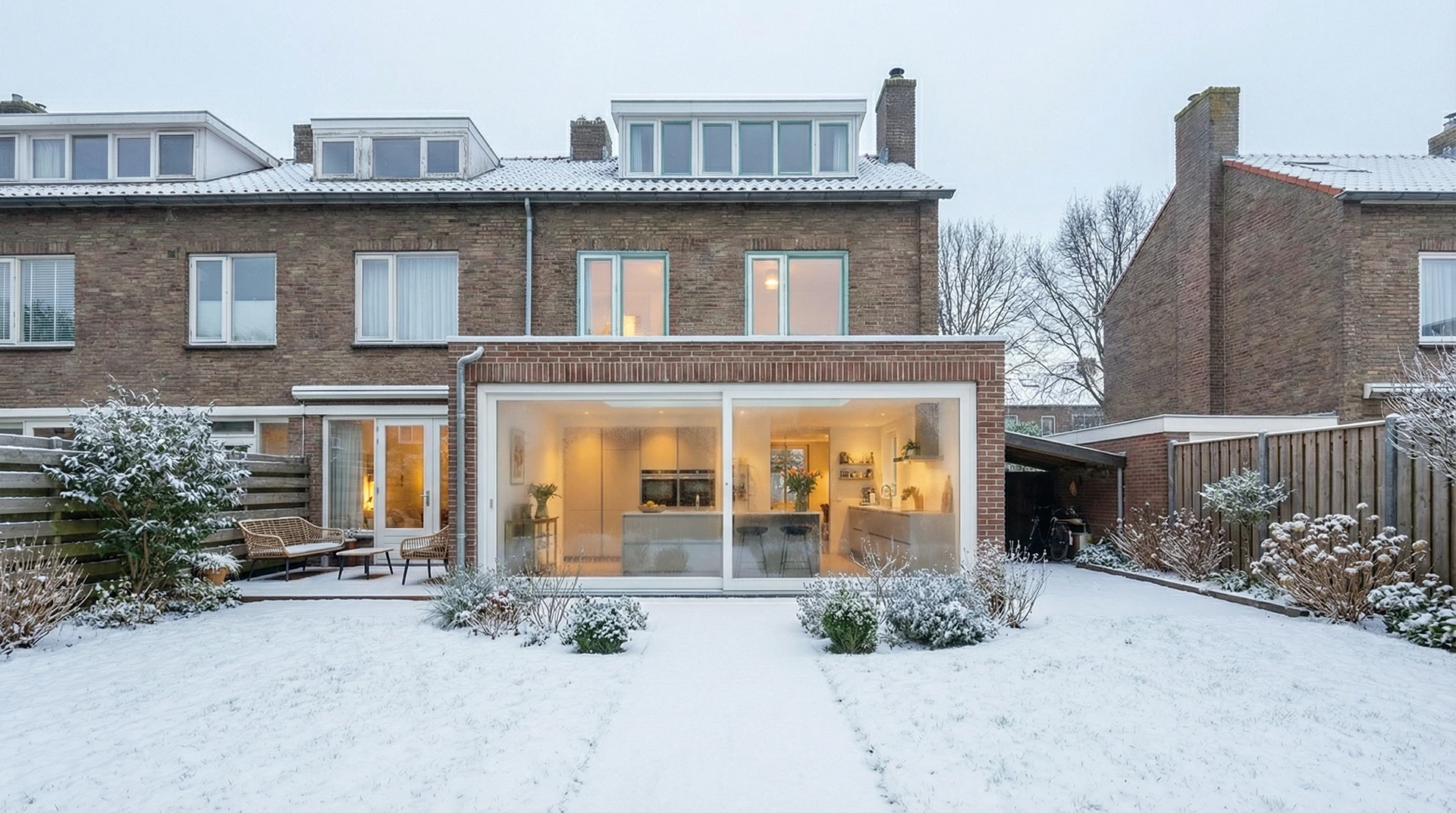



There is a specific type of cold in the Netherlands that takes prominent expats by surprise. It isn’t the biting, dramatic frost of Scandinavia, nor the snowy blanket of the Alps. It is a pervasive, damp chill—a grey soup that seems to seep through brick, glass, and wool coats alike.
For anyone living here, the winter battle isn’t just about temperature; it is about keeping the moisture out and the “gezelligheid” (coziness) in. With energy prices remaining a sensitive topic for household budgets, the approach to winter design has shifted. It is no longer just about cranking up the thermostat; it is about smarter engineering and stopping the heat from escaping in the first place.
Building or renovating for a Dutch winter is a balancing act between physics and psychology. Here is how modern Dutch homes are evolving to handle the long, dark months.
The Tea Cosy Effect: Insulation First
Before we even talk about heaters, we have to talk about the “envelope” of the house. There is no point pouring water into a bucket full of holes, and there is no point heating a house that bleeds warmth into the street.
In the past, Dutch construction relied on heavy curtains to do the work of insulation. Today, the focus is on creating a sealed, thermal shell. This is vital for energy efficiency.
- Glazing: If you are still living with single glazing—or even old standard double glazing—you are essentially heating the garden. The standard is now HR++ or triple glazing. It doesn’t just keep the heat in; it eliminates that uncomfortable “cold radiation” you feel when sitting near a window.
- The Roof: Heat rises. In many older Dutch townhouses, the roof is a major escape route for energy. insulating the roof is often the single most effective renovation move you can make.
- Draft Proofing: It sounds low-tech, but hunting down drafts is critical. That gap under the front door or the rattle in the window frame can lower the perceived temperature of a room by several degrees, forcing you to turn the heating up unnecessarily.
The Shift to Low-Temperature Heating
The age of the sizzling hot radiator is coming to an end.
Traditional radiators work by blasting water at 70°C or 80°C around a circuit. It is quick, but it is inefficient and creates pockets of hot and cold air. The current trend in heating systems is “low-temperature heating” (LTV), usually in the form of underfloor heating (“vloerverwarming”).
This runs at a much lower temperature (around 35°C–40°C) but covers a larger surface area. The result is a steady, ambient warmth that rises from your feet. It feels more natural, eliminates dust circulation (great for allergies), and is significantly cheaper to run.
However, retrofitting underfloor heating into an existing floor requires skill. You need to consider floor heights and insulation layers. This is where partnering with experienced contractors like Luckey Construction becomes essential. They understand the intricacies of integrating these modern systems into Dutch subfloors without causing structural headaches or losing precious ceiling height.
The Heat Pump Revolution
If you are renovating, the question isn’t if you should consider a heat pump, but which one. With the Dutch government planning to phase out gas boilers, the hybrid or full electric heat pump is the engine of the future.
Think of it as a fridge in reverse. It extracts heat from the outside air (even when it’s cold) and compresses it to warm your water. It pairs perfectly with the insulation and underfloor heating mentioned above. It is a slow, steady way of heating that aligns perfectly with the damp, moderate Dutch climate.
Designing for Light and Mood
Surviving a Dutch winter isn’t just about thermodynamics; it is about mental health. The sun sets at 4:30 PM in December. Your home needs to compensate for the gloom.
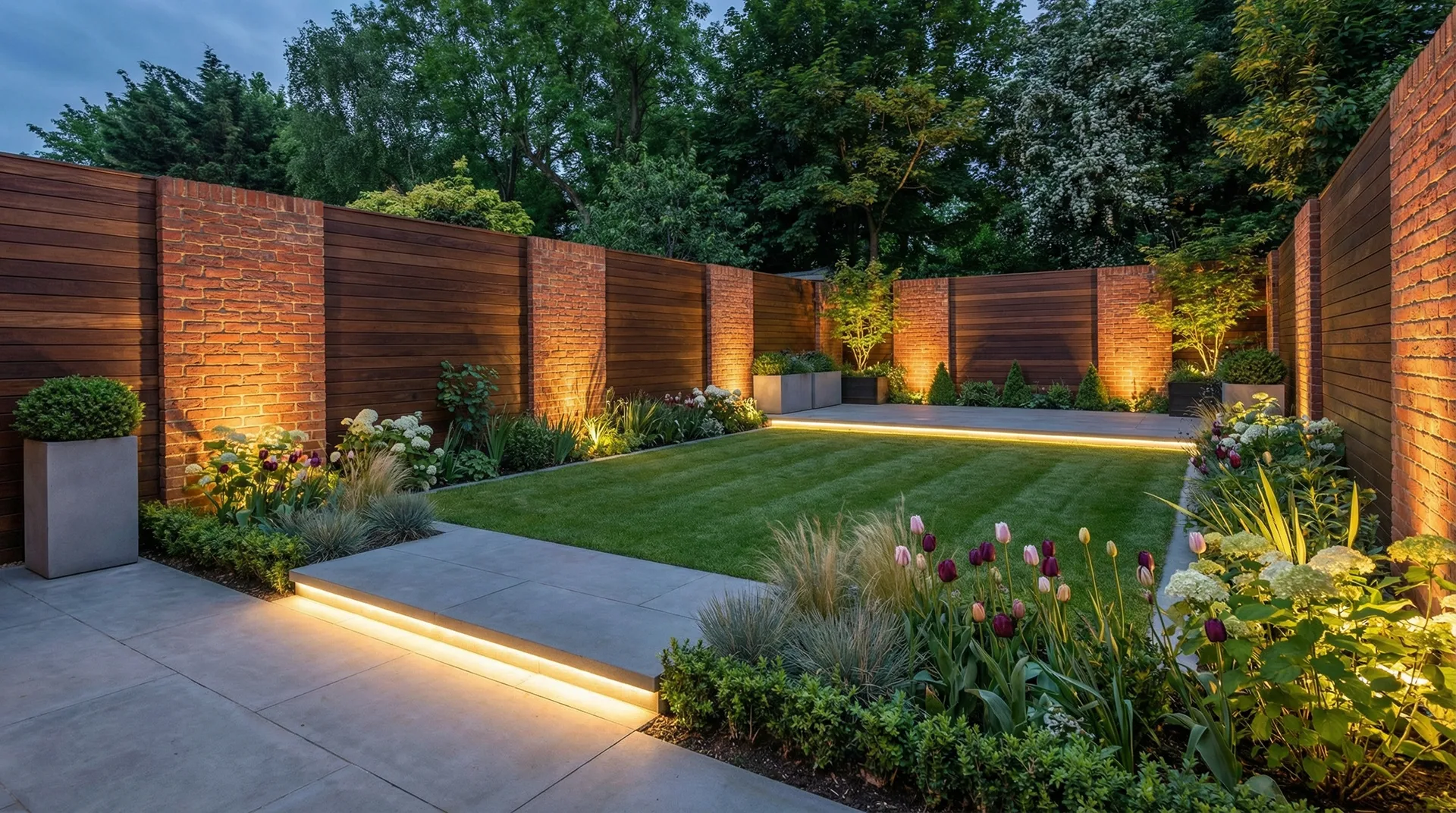
Winter design is increasingly focusing on lighting schemes. The “big light” in the center of the ceiling is out. In its place, we are seeing layered lighting—warm LEDs tucked into joinery, floor lamps at eye level, and dimmable fixtures. The goal is to create pools of light that mimic the warmth of a fire.
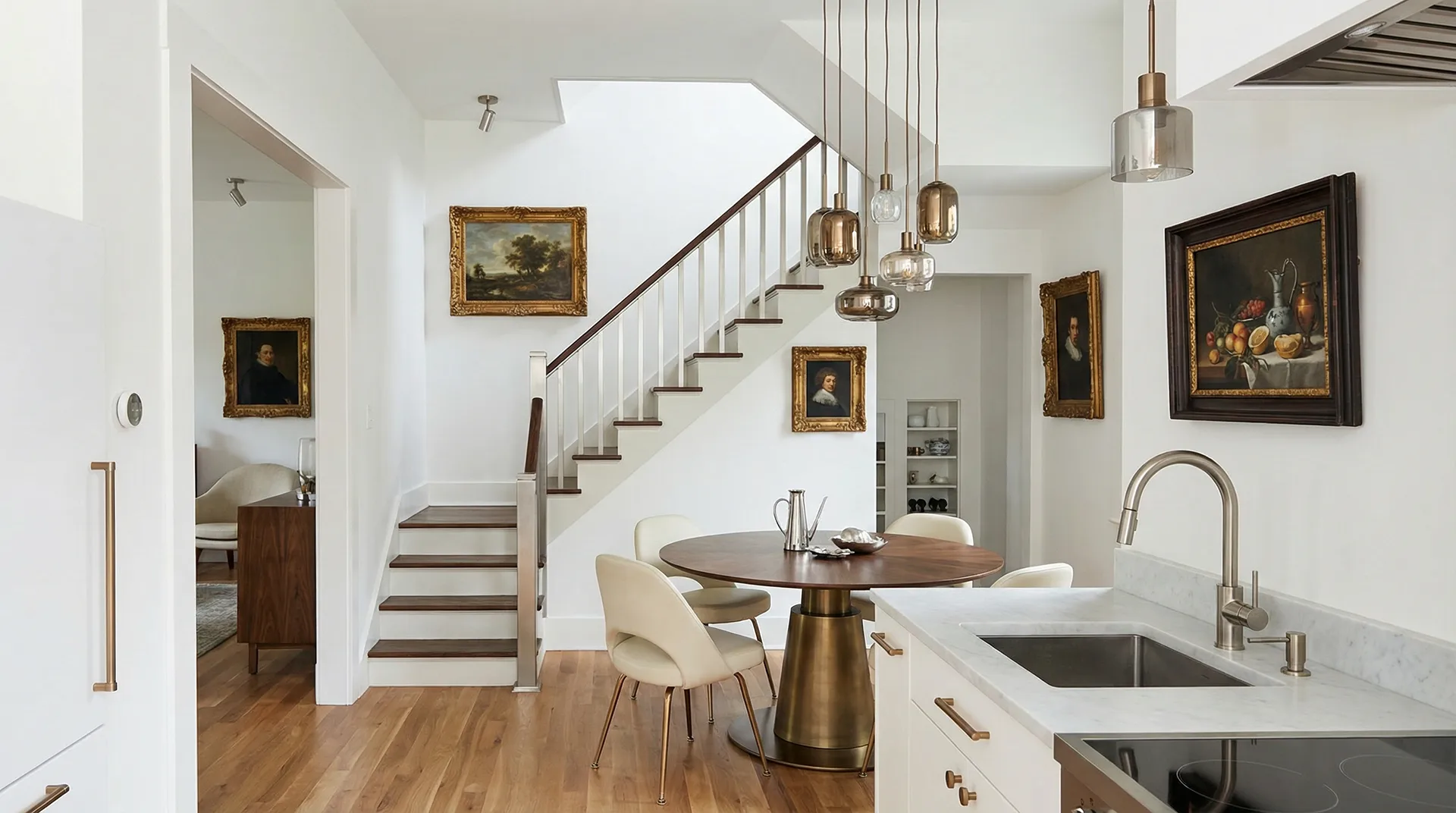
Furthermore, materials matter. A concrete floor might look chic, but visually it reads as “cold.” Designers are countering this by using warm-toned woods, textured wall coverings, and darker, encompassing paint colors (deep greens and terracottas) that make a room feel like a sanctuary rather than a sterile box.
The Ventilation Paradox
Here is the irony: the better we insulate our homes, the more we need to ventilate them.
In an old, drafty house, fresh air gets in through the cracks. In a perfectly sealed modern renovation, that moisture from cooking, showering, and breathing has nowhere to go. This leads to mold—the enemy of the Dutch homeowner.
Modern energy efficiency requires mechanical ventilation with heat recovery (WTW – Warmteterugwinning). These smart systems pull stale air out and pump fresh air in, but they swap the heat energy slightly before the air streams pass. You get fresh air without the icy draft.
Summary
Preparing a home for the Dutch winter is an investment that pays off every single day from November to March. It is about moving away from the “blast-and-shiver” cycle of gas radiators and embracing a consistent, enveloping warmth.
By prioritizing insulation, upgrading your glass, and rethinking your heat source, you don’t just lower your bills. You change the way you live. You stop dreading the draft and start enjoying the shelter.